
Do You Need Climate Controlled Storage? What It Is, What It Costs, and What to Store
Do you need climate controlled storage? Yes, if you're storing electronics, photos, documents, art, wood furniture, instruments, leather, or anything else that heat, cold, or moisture can damage, especially for months at a time. Durable items like metal patio furniture and cookware usually do fine in a standard unit. Humidity control varies by facility, so confirm what the exact unit offers before you rent.
A wood dining table, a box of family photos, and a spare television have different storage needs than a set of plastic patio chairs. Climate controlled storage costs more than a standard unit, so the real question is which of your belongings justify it. This guide explains what it is, how it compares with standard storage, what it costs at FreeUp Storage, and which items to put in it.
In This Guide
- Climate Controlled Storage at a Glance
- What Is Climate Controlled Storage?
- Do You Need Climate Controlled Storage? How to Decide
- Quiz: Which of Your Items Need Climate Control?
- Temperature Slider: What Heat and Cold Do to Stored Items
- What Damages Stored Items: Humidity, Mold, Condensation, and Temperature Extremes
- Climate Controlled vs. Standard Storage
- Climate Controlled Storage Temperature Range and Humidity Level
- Humidity Controlled Storage: Is It the Same as Climate Controlled?
- What to Store in Climate Controlled Storage
- Do You Need Climate Controlled Storage for a Car or Other Vehicle?
- How Weather and Storage Duration Affect the Choice
- How Much Does Climate Controlled Storage Cost?
- Is Climate Controlled Storage Worth It?
- How to Prepare Your Items for Climate Controlled Storage
- Questions to Ask Before Renting a Climate Controlled Unit
- Frequently Asked Questions About Climate Controlled Storage
- Find Climate Controlled Storage at FreeUp Storage
Climate Controlled Storage at a Glance
Find climate controlled storage near you
Browse FreeUp Storage locations and ask about climate-controlled availability.
What Is Climate Controlled Storage?
Climate controlled storage is a unit in a building that heats, cools, or both to reduce temperature extremes. Some facilities also manage humidity. The label describes a feature, not a standard. There is no universal temperature or humidity range, so one facility's climate-controlled unit can differ from another's.
Indoor access does not make a unit climate controlled, either. A hallway with roll-up doors tells you where the unit is, not what controls it has. Ask about the specific unit.
Before reserving, confirm:
- The expected temperature range, and whether the rental terms guarantee it
- Whether the exact unit is heated, cooled, or both
- Whether the building has dehumidification, and whether humidity is monitored
- What the rental agreement says if equipment fails
- Access hours, the loading route, and any elevator or doorway limits
Do You Need Climate Controlled Storage? How to Decide
Run your inventory through four checks.
Quick decision guide
If only some of your belongings need climate control, compare a small climate-controlled unit for those with a standard unit for the rest. Add up the cost of both before you decide.
Quiz: Which of Your Items Need Climate Control?
Answer three questions to see what to ask the local team. This is a planning aid, not an assessment of your items.
Quick needs check
Temperature Slider: What Heat and Cold Do to Stored Items
Drag the slider to change the outside temperature. The chart shows the inside of a standard unit and a climate-controlled unit, and the tiles show how common belongings respond in the standard unit. A storage unit without climate control follows outdoor conditions and can run hotter than the air outside in summer.
Outside temperature vs. inside the unit
At this temperature a standard unit can run above 100°F. Electronics, wax, glue, and wood finishes are at risk. A climate-controlled unit stays inside its range.
Illustrative model, not a measurement. Real unit temperatures depend on insulation, sun exposure, and the building, and the point where each item is affected varies by product. It is not a promise of conditions at any FreeUp Storage facility. The 55°F to 80°F band is an example range some operators publish.
What Damages Stored Items: Humidity, Mold, Condensation, and Temperature Extremes
Temperature and moisture affect materials differently. Think about what is inside a box, not just the box.
Humidity swings warp wood
Wood absorbs and releases moisture as humidity changes. That can cause swelling, shrinking, splits, and finish damage.[1]
Dampness causes mold
Persistent moisture can encourage mold. A damp rug or cushion brings its own moisture into a unit, even one with climate control.
Condensation leaves water on electronics
Warm, humid air meeting a cold surface leaves moisture behind. Keep this in mind when moving electronics between very different environments.
Heat and cold stress sensitive items
Check the storage specs for devices, instruments, and anything with adhesives, finishes, or batteries.
Climate control reduces exposure to environmental extremes. It can't repair existing damage, dry the contents of a sealed damp box, or prevent every cause of loss.
Climate Controlled vs. Standard Storage
Standard units cost less. Climate-controlled units reduce temperature extremes for items that don't tolerate them. The right choice depends on what you store and for how long.
| Feature | Climate-controlled | Standard |
|---|---|---|
| Temperature | Reduced extremes through heating, cooling, or both | Follows outdoor conditions |
| Humidity | Varies by facility; confirm for your unit | Not controlled |
| Best for | Electronics, photos, documents, art, wood furniture, instruments, leather | Tools, patio furniture, plastic bins, and other durable items |
| Monthly cost | Higher | Lower |
Choose climate-controlled for
- Items you can't easily replace
- Long rentals or harsh weather
- Paper, wood, leather, and electronics
Choose standard for
- Durable, clean, dry items
- Short rentals in mild weather
- The lowest monthly rent
Not sure what your unit needs?
Your nearest FreeUp Storage team can confirm the features of a specific unit.
Climate Controlled Storage Temperature Range and Humidity Level
No single temperature range applies to every climate controlled unit. Some operators publish 55°F to 80°F (about 13°C to 27°C). That is an industry example, not a confirmed range for every FreeUp Storage facility. Ask your location for its expected range and any written limits.
Temperature and humidity are separate. Relative humidity measures moisture in the air, and a stated temperature range says nothing about it. If moisture is your main concern, ask whether the building has dedicated dehumidification and a monitored humidity target.
General guidance for photograph storage is 70°F or below and 30% to 50% relative humidity.[2] These are preservation recommendations, not a claim that FreeUp Storage units meet them.
Humidity Controlled Storage: Is It the Same as Climate Controlled?
Not always. Climate controlled storage manages temperature. Humidity-controlled storage targets moisture in the air. A unit can offer one, the other, or both.
Temperature control
Heating, cooling, or both reduce exposure to heat and cold.
- Helps electronics, instruments, and wax items
- Limits swings in hot summers and cold winters
Humidity control
Dehumidification or monitoring keeps moisture from climbing too high.
- Helps paper, photos, books, wood, and leather
- Matters most in humid markets and wet seasons
High humidity can contribute to mold, mildew, and warped wood. Very dry air can crack wood and leather. Keeping indoor humidity below 60%, ideally 30% to 50%, helps control moisture-related growth.[3] That is general indoor guidance, not a storage specification or a mold guarantee. Sealed bins and moisture absorbers help in any unit, but they don't replace controls built into the building.
What to Store in Climate Controlled Storage
Heat, cold, and moisture hurt some belongings far more than others. Here is what benefits most from a managed environment, and how to pack each type. Suitability depends on the item's condition, its care instructions, and the facility's rental rules.
Electronics
Heat and moisture can damage circuit boards, connectors, batteries, and screens, and temperature swings can cause condensation inside a device. Computers, TVs, monitors, consoles, and audio gear are the most common reasons people choose climate control.
Electronics to put in climate control
- Desktop PCs, laptops, and monitors
- TVs and game consoles
- Audio equipment and networking gear
- Unopened electronics in original packaging
How to store electronics
- Back up data, shut devices down, and label cables
- Remove user-removable batteries if the maker recommends it
- Use original or protective packaging, and keep gear off the floor
After storage, let devices come to room temperature and dry out before powering them on. For devices with lithium-ion batteries, check the manufacturer's storage instructions for the recommended charge level, and confirm the facility's rules on batteries.
Documents and Photos
Moisture can stain paper, encourage mold, and make photo surfaces stick together. Tax records, contracts, albums, and books are hard to replace, which makes them strong candidates for climate control.
Which documents and photos to prioritize
- Tax records, contracts, and legal papers
- Family photos and albums
- Books and paper-based art
How to pack paper and photos
- Use acid-free or photo-safe enclosures
- Keep boxes off the floor
- Make digital copies of important records
For valuable collections, check that the facility's conditions meet the material's preservation needs. Ordinary self storage may not meet archival specifications.[4] A conservator or the item's own care instructions can tell you what it needs.
Artwork and Collectibles
Moisture and temperature swings can warp canvas and frames, loosen adhesives, and encourage mold on paper and mats. Cards, comics, and memorabilia react to the same conditions.
Art and collectibles that need protection
- Framed art, prints, and paintings
- Comics, trading cards, and graded collectibles
- Figures, costumes, and props
- 3D printer filament, which absorbs moisture
How to protect art and collectibles
- Store art upright and off the floor
- Wrap in acid-free or breathable material, not tight plastic
- Ask a conservator about valuable pieces
For filament, follow the maker's drying and sealed-storage instructions. Room conditions alone don't replace them.
Wood Furniture and Instruments
Changes in moisture make wood expand and contract, which can affect finishes and joints. Instruments often have narrower care requirements than a general storage building provides.
Wood furniture and instruments that need protection
- Solid wood tables, dressers, and antiques
- Pianos, guitars, violins, and other instruments
- Lumber you plan to use later
How to prepare wood and instruments
- Check the maker's temperature and humidity guidance
- Measure the doorway, elevator, and turning spaces
- Use a qualified mover for specialized pieces
Confirm that the facility can support an instrument's conditions before you move it in.
Fabric, Leather, and Mattresses
Moisture can cause mildew and odors in fabric and padding, and temperature changes can affect leather. Choose climate control for upholstered furniture, mattresses, and leather when storage includes humid weather or a long stay.
Fabric, leather, and mattresses that need protection
- Sofas, armchairs, and mattresses
- Leather furniture and jackets
- Rugs, linens, and clothing
How to pack fabric and leather dry
- Clean items and let them dry fully
- Use breathable furniture covers
- Avoid tight plastic wrap
Climate control can't reverse moisture damage already inside a mattress, cushion, or box.
Do You Need Climate Controlled Storage for a Car or Other Vehicle?
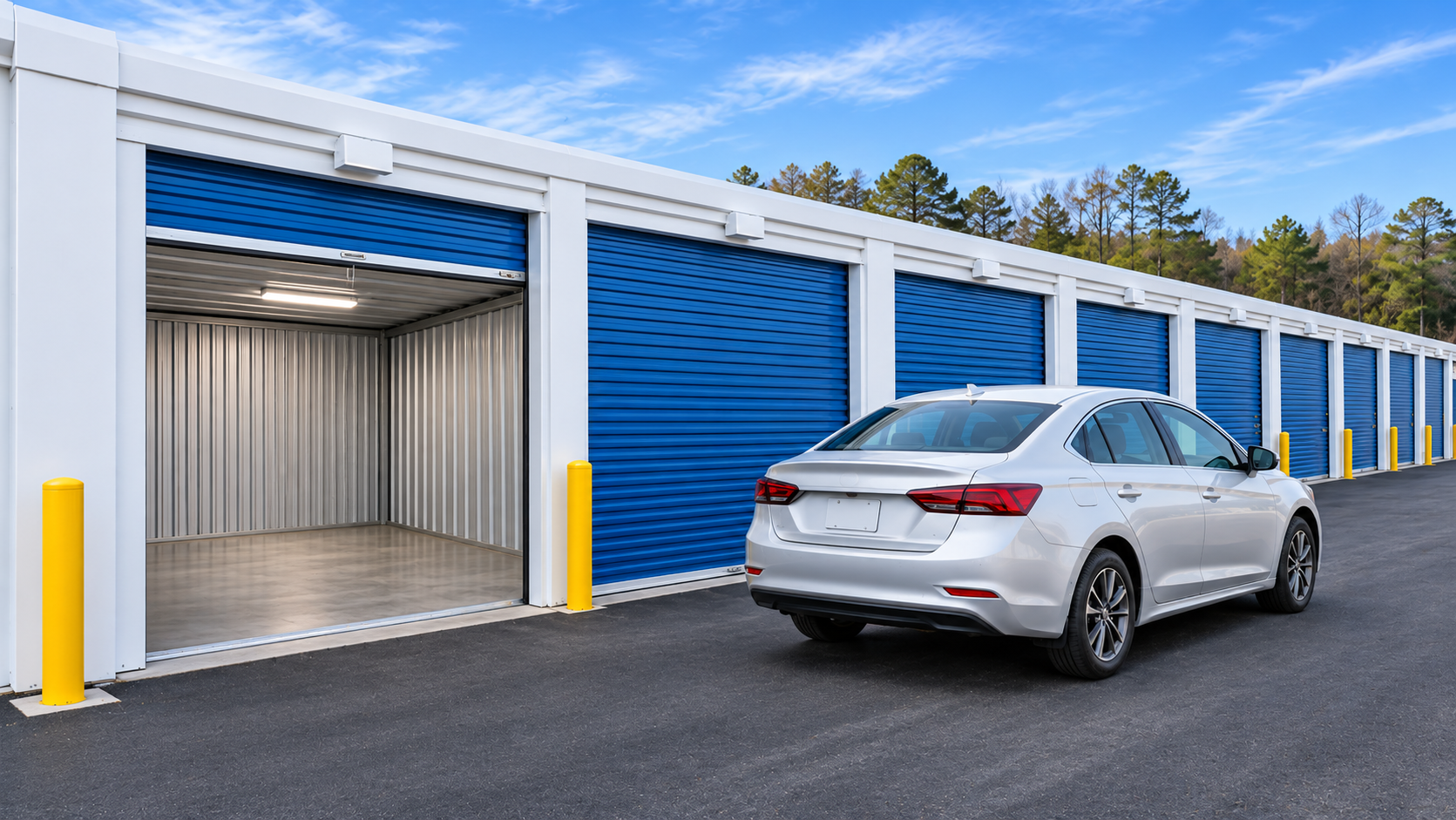
Most everyday vehicles don't need climate controlled storage. Choose a space approved for vehicle storage and follow the manufacturer's storage instructions. For a collectible car, a valuable interior, or extended storage in harsh conditions, compare enclosed storage and any verified temperature and humidity controls.
A household climate-controlled unit isn't automatically approved for a car or motorcycle. Confirm vehicle permission, door clearance, ventilation, and facility rules, and don't assume electricity or battery charging is allowed. Check your vehicle manufacturer's storage instructions, which typically call for a dry, ventilated location.
Compare FreeUp Storage vehicle and boat storage options, and use our storage unit size guide to check the space you need.
How Weather and Storage Duration Affect the Choice
Match the unit to the conditions your belongings will face. A short move can still overlap a heat wave or a humid season.
Hot summers
Choose climate control for electronics, leather, wood, and heat-sensitive collectibles. Confirm the unit has cooling.
Cold winters
Choose a heated or climate-controlled unit for items that need protection from low temperatures. Check that the unit has heating, since cooling doesn't imply it.
Humid regions
Prioritize moisture management for photos, paper, fabric, and wood. A temperature-controlled label alone doesn't answer whether humidity is controlled.
Garage or attic items
A stable environment can help sensitive items that have been in a garage or attic, but it won't repair existing damage.
Short-term storage
Standard storage suits durable items on a brief move in mild weather. Choose climate control for sensitive items even on a short rental.
Long-term storage
Choose climate control for sensitive items that sit through several seasons, and check on them periodically.
How Much Does Climate Controlled Storage Cost?
Climate controlled storage typically costs roughly 35% to 50% more than a standard unit of the same size at the same FreeUp Storage facility, and less for a 5x5.
The chart and table show regular monthly rates for standard and climate-controlled units across FreeUp Storage locations. Each range covers the middle half of locations for that size, so your location may be lower or higher.
Bars show the middle half of FreeUp Storage locations. Rates are regular monthly rates as of November 2026, before promotions.
| Unit size | Standard unit | Climate-controlled unit |
|---|---|---|
| 5x5 | $29 to $57 | $42 to $67 |
| 5x10 | $44 to $78 | $64 to $110 |
| 10x10 | $70 to $119 | $100 to $159 |
| 10x15 | $92 to $155 | $129 to $194 |
| 10x20 | $118 to $221 | $184 to $303 |
What affects the price
Monthly fees and taxes aren't included. Check the live unit listing for the current rate and features, or compare climate controlled storage units at a FreeUp Storage facility near you.
Is Climate Controlled Storage Worth It?
For sensitive or irreplaceable belongings, especially over several months or through harsh weather, it usually is. For durable items that tolerate local conditions, a standard unit is the more practical choice.
Compare the actual monthly rent for units that fit your inventory, including size, access type, promotions, taxes, fees, and any required protection plan or insurance. The cost of replacing a ruined photo collection or instrument often outweighs the monthly premium. Sealed bins help with suitable small items packed dry, but they don't control temperature, and moisture sealed inside stays there.
Need help choosing space? Read our storage unit size guide or use the storage calculator.
How to Prepare Your Items for Climate Controlled Storage

- Clean and fully dry everything. Never pack damp laundry, rugs, cushions, or recently washed items.
- Match packaging to the material. Use furniture covers, cushioning for fragile items, and photo-safe or archival supplies where they apply.
- Keep belongings off the floor. Use stable shelving or supports and follow facility rules. Don't block aisles, vents, or safety equipment.
- Leave access and breathing room. Keep an aisle for checking boxes and avoid pressing sensitive items against walls.
- Label and photograph your load. An inventory helps you find things and document their condition.
- Check in periodically. Report leaks, condensation, odors, or visible moisture to the facility promptly.
Climate control doesn't change the prohibited-item rules. FreeUp Storage doesn't allow perishables, plants, animals, flammable or hazardous items, aerosol cans, or liquids in units. Check the rental agreement and ask the local team about anything unusual. More help: storage and packing tips.
Questions to Ask Before Renting a Climate Controlled Unit
These answers let you compare the space itself instead of relying on a feature label.
Frequently Asked Questions About Climate Controlled Storage
What should I not store in a storage unit?
FreeUp Storage does not allow aerosol cans, perishables, plants, animals, flammable or hazardous items, combustible materials, or liquids. Climate control does not change those rules. Confirm the full prohibited list in your rental agreement and ask the local team about anything unusual before you bring it to the property.
Where can I find climate controlled storage near me?
Availability and sizes vary by facility, so check the property you plan to use. Browse FreeUp Storage climate controlled storage units, or find your nearest location and ask the team which sizes, access types, and temperature or humidity features are available at that property today.
Does climate controlled storage keep pests out?
Not by itself. Temperature control doesn't seal a building. A clean, closed, well-maintained facility matters more. Use sealed plastic bins, keep food out of the unit, and tell the manager if you see droppings, chew marks, or insects so the team can find the entry point.
Can I use a space heater, dehumidifier or fan in my unit?
Don't assume you can. Many facilities don't allow personal devices to be plugged in, and heaters add a fire risk. Silica gel packs are a common low-risk way to manage moisture. Ask the facility before you bring any powered device into your unit.
How can I tell if a facility's climate control really works?
Ask which controls the unit has, what temperature and humidity range it targets, and how the facility monitors them. Then check in person: the air should feel steady, not stuffy or damp, with no musty smell. A small thermometer-hygrometer left inside for a few days shows real readings.
Are cardboard boxes okay in climate controlled storage?
For short stays, yes. Over time cardboard absorbs moisture and attracts pests, even in a controlled unit. Lidded plastic bins protect fabric, paper, and keepsakes better for long-term storage. If you use cardboard, keep boxes off the floor, don't stack them too high, and replace any that look soft or stained.
How often should I check on my stored items?
For a long rental, check every one to three months, and after major weather or a power outage. Look for musty odors, condensation, warping, rust spots, and signs of pests. Give wood furniture, documents, and fabric the closest look, since they react to moisture first.
Does climate controlled storage prevent rust on metal?
It lowers the risk by limiting humidity swings, but it doesn't remove it. Clean and dry metal items before storing them, and wipe tools with a light coat of oil or rust inhibitor. Cover bare metal with a breathable cloth, not plastic wrap that traps moisture.
What are the signs of mold or moisture damage?
Look for a musty smell, white or green fuzzy patches, dark specks, and damp or warped cardboard. Wood may swell or discolor, fabric can feel clammy, and metal may show rust. If you find any, remove affected items, dry or discard them, and tell the facility so it can check the unit.
Is an inside unit better than a drive-up climate controlled unit?
Interior units sit inside the building, so they are usually better shielded from outdoor weather. Some climate controlled units are drive-up, which are easier to load but may be exposed to outdoor air when the door is open. Ask which type you're renting and how the facility controls temperature.
What size climate controlled unit do I need?
Match the unit to your largest furniture and your inventory. A 5x10 fits a lightly furnished studio, a 10x10 a one-bedroom apartment, a 10x15 a two-bedroom home, and a 10x20 a three-bedroom house. Leave a walkway so you can reach your belongings. Our unit size guide and calculator can help you narrow it down.
Can I store a refrigerator or freezer in a climate controlled unit?
Clean and defrost it, unplug it, and let the inside dry completely. Prop the door open slightly with a strap or wedge so air can circulate and odors don't build up. Keep it upright. Climate control limits moisture, but ask the facility about its rules on appliances before you move one in.
How should I store clothes and linens?
Wash and fully dry everything first. Use clean, lidded plastic bins or breathable cotton bags, and keep them off the floor. Avoid vacuum-sealing down, wool, and leather, because compression can crush fibers and trap moisture. Check the bins every few months for musty odors or damp spots.
Is climate controlled storage the same as air-conditioned storage?
Not exactly. Climate controlled units aim to limit temperature extremes using heating, cooling, or both, and some also manage humidity. Air conditioning alone cools the space but doesn't guarantee a temperature range or humidity control. Ask your facility what it controls and what range it targets.
What is the difference between a heated unit and a climate controlled unit?
A heated unit keeps the space above freezing in cold weather but doesn't cool it in summer or manage humidity. A climate controlled unit regulates temperature year-round and often humidity too. Some FreeUp Storage facilities offer heated-only units, so ask which type you're renting. For wood, electronics, or documents, choose climate control.
Find Climate Controlled Storage at FreeUp Storage
Start with your sensitive belongings, then choose a unit with the right size and confirmed features. Check the temperature range, humidity management, loading route, and access hours before you reserve.
Sources
- Canadian Conservation Institute. (2018, November 14). Basic care – Furniture and objects made of wood. Canada.ca. https://www.canada.ca/en/conservation-institute/services/care-objects/furniture-wooden-objects-basketry/basic-care-furniture-objects-wood.html
- Library of Congress. (n.d.). Care, handling, and storage of photographs. https://www.loc.gov/preservation/care/photo.html
- U.S. Environmental Protection Agency. (2026, April 1). Biological contaminants and indoor air quality. https://www.epa.gov/indoor-air-quality-iaq/biological-contaminants-and-indoor-air-quality
- Library of Congress. (n.d.). Care, handling, and storage of works on paper. https://www.loc.gov/preservation/care/paper.html